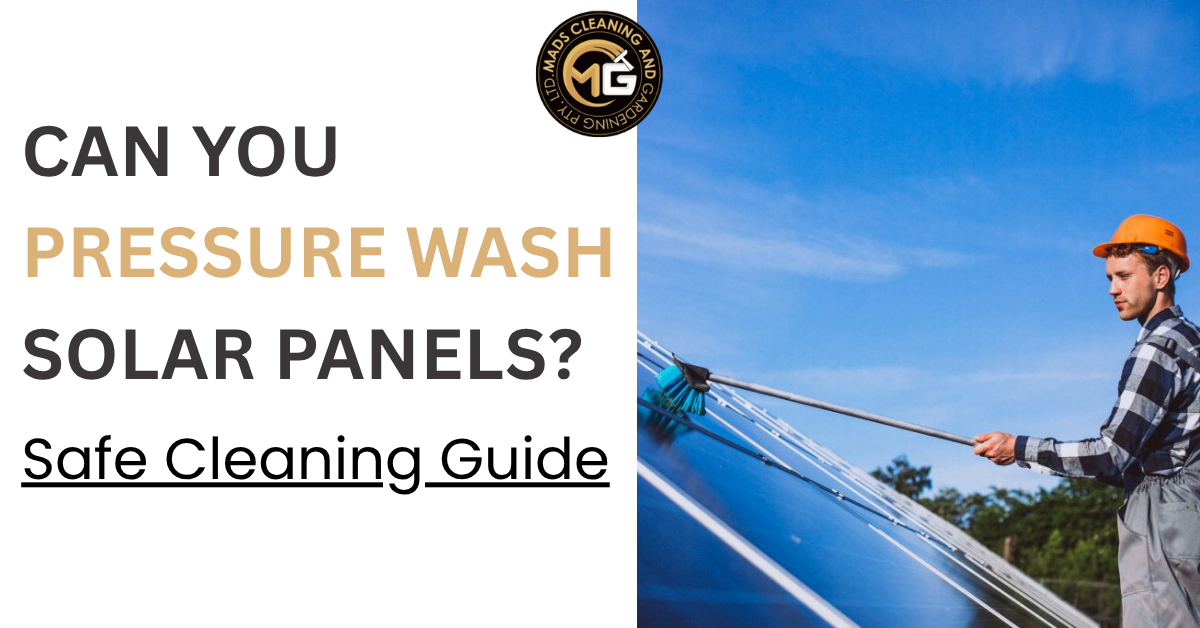
Solar power systems represent a substantial financial investment in renewable energy. However, over time, environmental contaminants can obscure the glass surface and reduce overall energy output. When confronted with a layer of baked-on dirt or avian droppings, property owners often wonder: Can you pressure wash solar panels to restore their efficiency?
The definitive answer is no; standard pressure washing is completely unsuitable for solar panels. While solar modules are engineered to withstand harsh weather conditions, including torrential rain and hail, they are not designed to endure the highly concentrated force of a pressure washer. Employing excessive water pressure introduces several major operational risks, such as microcracks in the tempered glass, compromised structural seals, stripped technical coatings, and severe electrical faults that can void your manufacturer’s warranty.
Fortunately, maintaining system efficiency does not require aggressive pressure. Safer, highly effective alternative methods exist, including low-pressure rinsing, soft-bristled specialty brushes, deionised water filtration, or partnering with a professional solar panel cleaning team.
Why Pressure Washing Solar Panels Is Risky
Using a high-pressure jet wash on your solar array can cause structural damage that may not be covered by your product warranty. Understanding the specific physical vulnerabilities of your solar array highlights why low-pressure methods are essential.
Microcracks in the Glass
The face of a modern solar module consists of tempered glass designed to maximise light transmission while protecting the delicate silicon photovoltaic cells beneath. The intense, concentrated impact of high-pressure water can cause microscopic fractures in this glass layer. These microcracks are often completely invisible to the naked eye initially, but thermal expansion and contraction over time expand these fractures, permanently reducing panel efficiency and shortening the overall system lifespan.
Damage to Protective Coatings
Most reputable solar manufacturers apply advanced anti-reflective and hydrophobic coatings to the glass surface during production. These layers increase light absorption and help rain wash away light dust. Aggressive water pressure acts as an abrasive force, gradually weakening or completely stripping away these specialised layers, leaving your panels highly susceptible to rapid dirt accumulation.
Water Entering Seals and Electrical Parts
A solar module relies on a series of robust perimeter seals, backsheets, and junction boxes to isolate live electrical circuits from the outdoor elements. High-pressure cleaning can easily force water past rubber gaskets and silicone sealants. When moisture penetrates these junction boxes or wiring harnesses, it can lead to immediate electrical short circuits, inverter ground faults, or corrosion.
Warranty Issues
Incorrect maintenance is one of the most common reasons solar performance claims are rejected in Australia. Most manufacturer guidelines explicitly forbid the use of high-pressure washers on their equipment. Before undertaking any cleaning, always check your specific manufacturer’s manual; ignoring these guidelines could void your multi-decade warranty.
Do Solar Panels Need Cleaning?
A common question among property owners is: Do solar panels need cleaning, or does rainfall handle everything? While an angled installation benefits from rain washing away light dust, natural rainfall rarely removes stubborn, baked-on grime.
Solar panels routinely collect a wide array of sunlight-blocking materials:
- Fine windblown dust and soil particles.
- Corrosive bird droppings and bat droppings.
- Fallen leaves, twigs, and organic tree sap.
- Seasonal pollen and airborne plant matter.
- Salt spray crusting (particularly in coastal regions).
- Industrial pollution, vehicle exhaust soot, and woodfire smoke ash.
When these substances accumulate, they create physical shading over the photovoltaic cells. Because solar modules operate in series string configurations, even localised dirt on a single panel can drop the power output of your entire string, noticeably reducing your daily energy generation.
Certain geographical settings require more frequent intervention to keep systems running at their peak:
- Dusty & Rural Locations: Properties near unsealed roads, agricultural farming zones, or open paddocks experience high levels of airborne dust.
- Coastal Areas: Salt crystals quickly crust over glass surfaces, requiring regular freshwater rinsing.
- Properties Near Overhanging Trees: These arrays face constant leaf debris, organic tree sap, and localised animal droppings.
- Commercial & Industrial Sites: Industrial estates often feature heavy airborne particulate matter, oils, and soot that tightly bond to glass surfaces.
- Regions with Long Dry Periods: Without regular rain to clear loose dust, performance can drop off rapidly during dry summer months.
How to Tell When Your Solar Panels Need Cleaning
Monitoring your system helps you determine exactly when to clean your investment. Use these straightforward methods to gauge performance:
- Ground-Level Visual Inspection: Periodically look up at your array from the safety of the ground using binoculars if necessary. Look for obvious layers of dust, white bird droppings, or accumulated leaves caught along the bottom aluminium frames.
- Physical Surface Markings: Check for visible water spots, muddy streaks after light rain, or a dull, cloudy appearance across the glass panels.
- Monitoring Energy Trends: Keep a close eye on your system’s solar inverter app or daily monitoring portal. If you notice a gradual or sudden drop in daily kilowatt-hour ($kWh$) production compared to a similarly clear day in previous months, accumulated grime may be blocking the light.
Important Context: If your system’s energy output drops suddenly, environmental dirt may not be the only cause. System underperformance can also stem from new tree shade, inverter faults, wiring degradation, or internal system errors. If your panels look clean but your energy production remains low, consider booking a professional technical inspection rather than simply washing the array.
Best Way to Clean Solar Panels Safely
If your solar panels are easily accessible and you can reach them without climbing onto a high roof, you can safely clean them yourself using the correct, low-pressure tools.
The best way to clean solar panels without causing structural damage involves these steps:
- Work When Panels Are Cool: Schedule your cleaning for early morning or late afternoon. Cleaning panels during peak sun when the glass is hot can cause extreme thermal shock if cold water hits the surface, potentially cracking the glass instantly.
- Use a Standard Garden Hose: A simple garden hose running on normal household water pressure is the safest tool for a gentle rinse. Never use a high-pressure nozzle attachment.
- Use a Soft Solar Brush: Use a dedicated solar panel cleaning brush or a soft microfibre pad attached to a lightweight extension pole. These tools lift dirt without scratching the glass surface.
- Use Pure Water Where Possible: Pure, deionised, or purified water is ideal because it dries cleanly without leaving mineral spots or scale lines. If your local tap water is hard, you can use a solar panel cleaning kit featuring a built-in water-softening filter.
- Use Mild, Solar-Safe Solutions: For stubborn, baked-on grime that water alone cannot shift, use a mild, biodegradable, solar-safe cleaning solution. Avoid harsh household detergents, window sprays, or abrasive scouring powders, and always rinse thoroughly to prevent leaving a film.
Can You Spray Water on Solar Panels?
Yes, it is entirely safe to spray water onto your solar system, provided you follow basic safety guidelines. A standard domestic garden hose is always the safest option for manual cleaning.
When rinsing your system, always avoid spraying water directly into the perimeter panel edges, underside wiring harnesses, or electrical junction boxes. Additionally, avoid spraying cold water onto baking-hot glass during peak midday sun to prevent dangerous thermal shock.
Cleaning Rooftop Solar Panels: Safety Considerations
While single-storey installations can often be managed from the ground, cleaning solar panels on roof structures introduces serious safety hazards that should not be taken lightly.
Before attempting any rooftop solar panel cleaning, consider these primary risks:
- Fall Hazards: Working on elevated surfaces carries a risk of serious falls from ladders, gutters, or roof edges.
- Slippery Surfaces: Mixing water and solar soap creates an incredibly slick surface on roof tiles or metal Colorbond sheeting.
- Structural Damage: Walking incorrectly on roof tiles can easily crack them, leading to internal ceiling leaks during the next storm.
- Electrical Hazards: Working with water near live DC isolation switches or damaged wiring arrays introduces a risk of electric shock.
Practical Safety Advice: Never walk onto a roof structure without professional fall-arrest systems, a secure harness, and non-slip safety footwear. If your solar array cannot be easily reached with an extension pole from the ground or a secure ladder platform, avoid taking unnecessary risks. Hiring a professional solar panel cleaning service ensures the work is completed safely, efficiently, and with the right equipment.
Solar Panel Cleaning Kits and Brushes
If you plan to manage your system’s maintenance from ground level, investing in a high-quality, dedicated solar panel cleaning kit is a smart choice. These specialised kits are designed to clean delicate glass surfaces effectively without causing any scratches.
A comprehensive kit typically includes:
- An extendable water-fed aluminium or carbon-fibre pole.
- A soft-bristled brush head featuring interior water jets.
- An inline squeegee attachment to deliver a streak-free finish.
- Removable microfibre scrub pads for removing sticky grime.
- An integrated garden hose connector with a shut-off valve.
Do’s and Don’ts Of Solar Panel Cleaning
Review this quick reference checklist before cleaning your solar panels to protect your warranty and ensure your safety.
Do:
- Do check your specific manufacturer’s cleaning guidelines before starting.
- Do inspect your panels visually from ground level whenever possible.
- Do clean early in the morning or late in the day when the glass is cool.
- Do use low-pressure water from a standard garden hose.
- Do use a dedicated, soft solar panel cleaning brush.
- Do use deionised or purified water to avoid mineral spots if it’s available.
- Do call a professional if your roof access is steep, high, or unsafe.
Don’t:
- Don’t use a standard high-pressure water cleaner under any circumstances.
- Don’t use harsh abrasive chemicals, bleach, or caustic household soaps.
- Don’t use stiff metal wire brushes, steel wool, or abrasive scouring pads.
- Don’t walk onto wet, steep, or fragile roof tiles without safety gear.
- Don’t spray cold water onto hot solar panels during the middle of the day.
- Don’t direct high-pressure water sprays at electrical seals or junction boxes.
- Don’t ignore sudden drops in energy output that might indicate a system fault.
Should You Hire a Professional Solar Panel Cleaning Service?
For many homeowners and commercial property managers, outsourcing maintenance to a professional solar panel cleaning service is the most practical choice. It saves time, eliminates personal risk, and ensures your system is cleaned correctly.
Consider searching for a professional solar panel cleaning near me if:
- Your solar system is located on a steep, multi-storey, or complex roof line.
- The array cannot be reached comfortably using ground-based extension poles.
- There is an extensive accumulation of stubborn bird droppings, baked-on sap, or lichen.
- Your roof tiles are fragile, wet, or lack safe walking access.
- You manage a large-scale commercial solar system or ground-mount array.
- You do not own the necessary personal safety harness gear or industrial extension tools.
Professional teams bring valuable advantages to every job, including commercial-grade deionised water tank systems that dry completely streak-free without using chemicals. They also use specialised non-abrasive tools to clean large systems quickly, reducing the risk of scratches or water spotting. Best of all, they can safely access difficult roofs while minimising the risk of accidental damage to your panels or roof structure.
How Much Does Solar Panel Cleaning Cost?
The overall solar panel cleaning cost across Australia is relatively affordable, especially when weighed against the long-term energy generation losses of a dirty system. For a standard, single-storey residential home, professional rates typically start between $150 and $300 for a complete clean and safety check.
The final quote for your property depends on several distinct factors:
- Total Number of Panels: Larger residential arrays or commercial systems take more time to clean.
- Roof Height and Pitched Angles: Multi-storey homes or steep pitches require advanced safety lines and setup time.
- Site Access Difficulties: Obstacles like narrow pathways, tight property boundaries, or overhanging trees can impact pricing.
- Current Grime Severity: Thick layers of lichen, moss, or baked-on droppings require extra care and time to safely loosen.
- Location: Remote regional properties may incur modest travel fees compared to metro areas.
Because every roof layout is unique, professional quotes are typically tailored on a case-by-case basis to ensure accuracy.
Protect your solar panels with gentle, damage-free cleaning. Book a rooftop solar panel cleaning service today.
Conclusion: Clean Solar Panels Without Damaging Them
While using a pressure washer might seem like a quick way to clean your solar panels, the high water pressure can cause serious, irreversible damage to your system. To protect your investment and maintain your manufacturer’s warranty, stick to safe, low-pressure cleaning methods. Combining a low-pressure garden hose with a soft-bristled brush and pure water will safely remove dirt and restore your system’s efficiency.
If your solar panels are hard to reach, located on a steep roof, or covered in stubborn grime, save yourself the hassle and safety risks by hiring a professional. A professional team has the right equipment and safety gear to get your panels spot-free and working at their best.
Need safe solar panel cleaning? Contact our team for a professional quote.
FAQs on Solar Panel Cleaning
Can pressure washing remove mould and algae?
No, you should never use a high-pressure washer to remove growth from your system. Instead, use low-pressure water mixed with a solar-safe, biodegradable cleaning solution and a soft brush to gently loosen any organic build-up.
Do you provide driveway pressure washing?
Yes, our external maintenance services include high-pressure washing for driveways, concrete paths, and brick pavers. While high pressure is perfect for tough concrete surfaces, we use strictly low-pressure methods for delicate installations like solar panels and roofs.
Do you clean commercial properties?
Yes, we provide professional cleaning services for both residential homes and commercial buildings, handling large-scale commercial solar arrays, office roofs, and industrial warehouses safely.
How often should I book pressure washing?
For concrete surfaces like driveways and pathways, an annual pressure wash is ideal for keeping them safe and clean. For your solar panels, a low-pressure clean once or twice a year is recommended to keep them running efficiently.
Are high-pressure cleaning services safe for all materials?
No. High pressure can crack solar glass, strip anti-reflective coatings, damage historic brickwork, and splinter timber decks. A professional team knows exactly when to use high pressure and when to apply a gentle soft-wash technique.
Can you remove oil stains, mould, and graffiti?
Yes, our commercial high-pressure equipment can easily remove mould, mildew, dirt, and graffiti from concrete, brick, and external metal surfaces. For solar panels, we use gentle specialized cleaners to dissolve organic grime safely.
Is your cleaning eco-friendly?
Yes. Our external cleaning focuses on using advanced mechanical water pressure and flow. When cleaning solar panels, we use pure deionised water or eco-friendly, biodegradable solutions that are completely safe for your garden and rainwater harvesting systems.
Do you offer free quotes for pressure cleaning?
Yes, we provide completely free, no-obligation quotes for all residential and commercial properties after assessing your site, roof access, and cleaning requirements.
Are you looking to rent or sell your house?
A professional exterior clean, including your paths, driveways, gutters, and solar panels, is one of the most cost-effective ways to boost your property’s curb appeal and market value before an open inspection.
How much does it cost to clean a house in Hobart?
The cost of an exterior house wash depends on the size of your home, building materials, and layout. Contact us directly for a free, accurate quote tailored to your property.
How much is pressure washing per square metre?
Commercial concrete floor pressure washing is usually priced per square metre, with rates varying based on total area and staining. Solar panels, however, are typically quoted based on the total number of panels and roof access.
What will a cleaner do in 2 hours?
In a two-hour window, our experienced technicians can typically pressure-wash a double driveway, perform an exterior soft-wash on a small patio, or completely clean a standard-sized residential solar array from the ground.
What is the best time of year to power wash?
Spring and autumn are excellent times to schedule your exterior cleaning. Cleaning in spring removes winter moss and dirt build-up, while an autumn clean prepares your home and solar panels for the shorter winter days ahead.