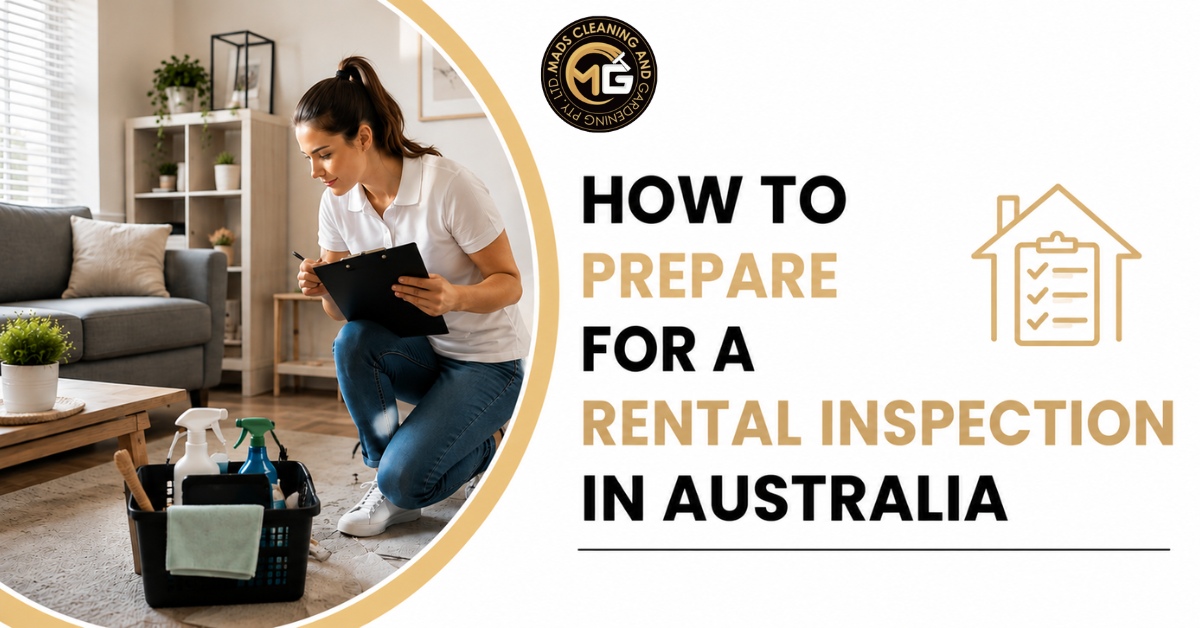
Under the Residential Tenancy Act 1997 (Tas), landlords must give tenants at least 24 hours’ written notice, and routine inspections are limited to every three months. A good rental inspection preparation routine is less about making the property look perfect and more about keeping it clean, accessible, reasonably maintained, and properly documented. Knowing how to prepare for a rental inspection generally comes down to a handful of practical steps:
- Reviewing the inspection notice and your tenancy requirements
- Cleaning and tidying the property
- Completing reasonable routine maintenance
- Checking the kitchen, bathrooms, floors, walls and outdoor areas
- Reporting any maintenance problems to your property manager
- Comparing the property’s current condition against your property condition report
- Securing pets and access arrangements ahead of time.
It’s worth keeping one thing in mind throughout: a routine rental inspection is generally about checking the property’s condition and identifying maintenance issues, not creating an unrealistic expectation that a tenant must make the property look brand new.
What Is a Rental Inspection in Tasmania?
A routine rental inspection, sometimes called a property inspection, is a scheduled visit by a landlord or property manager to check on the general condition of a rented property during a tenancy. It gives the landlord a chance to confirm the property is being reasonably cared for, spot maintenance issues before they become bigger problems, and keep an open line of communication with the tenant.
Routine Inspection vs Final Rental Inspection
| Routine Inspection | Final / End-of-Tenancy Inspection |
| Checks ongoing property condition | Checks condition when tenancy ends |
| Focuses on maintenance and care | Can affect bond/condition assessment |
| Happens during tenancy | Happens after the tenant vacates |
| Normal household cleanliness expected | Property may need more extensive cleaning |
MADS Cleaning provides cleaning services across Hobart, allowing both the tenant and property owner peace of mind.
How Much Notice Do Tenants Get for a Rental Inspection?
Inspection arrangements and notice requirements in Tasmania fall under the Residential Tenancy Act 1997, rather than the notice periods used in other Australian states, which can differ significantly. Under Tasmanian law, a landlord or agent must give at least 24 hours’ written notice before a routine inspection, entry must occur at a reasonable time, generally between 8 am and 6 pm, and routine inspections are limited to once every three months.
This is worth flagging because notice periods vary a lot between states: Victoria, for example, requires at least 7 days’ notice and only allows inspections every six months, so advice written for other states can be misleading if applied in Tasmania.
When you receive an inspection notice, check the following:
- The date and proposed time of the inspection
- Which parts of the property will be inspected
- Any specific instructions from the property manager
- Whether the proposed time actually works for you
If the proposed time genuinely doesn’t suit you, contact your property manager as early as possible to discuss an alternative, rather than ignoring the notice. Tenants generally don’t need to be home for a routine inspection to go ahead, provided proper access has been arranged, but if you have particular access needs, pets on the property, or security concerns, it’s worth raising these directly with your property manager beforehand. Keeping communication open is almost always more effective than avoiding the conversation.
How to Prepare for a Rental Inspection: 24-Hour Checklist
If your inspection notice has landed and time is tight, here’s a practical run-through you can work through in the day before your inspection. For a more general moving-out checklist, see our end-of-lease cleaning checklist, though note that a routine inspection doesn’t require the same depth of clean.
1. Read the Inspection Notice
Before doing anything else, confirm the date and time, which property or unit is being inspected, how access has been arranged, and whether the property manager has included any specific instructions.
2. Declutter the Property
Focus on floors, benchtops, hallways, living areas, bedrooms and storage areas. The goal here is accessibility and reasonable presentation, not perfection; clear pathways and visible surfaces make a bigger difference than a flawless, styled home.
3. Clean the Kitchen
Cover benchtops, the sink, cooktop, oven exterior, rangehood, splashbacks, cupboards where necessary, floors, and any food waste or rubbish. Focused rental inspection cleaning in the kitchen goes a long way, since grease and food residue are some of the most visible issues during an inspection.
4. Clean the Bathrooms
Check the toilet, shower, bath, basin, mirrors, floors, and look for visible mould or mildew, soap residue, and ventilation areas that may need attention.
5. Clean Floors and Common Areas
Vacuum, mop hard floors, remove obvious dirt, clean up visible spills, and make sure stairs and walkways are kept clear.
6. Check Bedrooms and Living Areas
Look for excessive clutter, visible dirt, damage, marks that might need attention, blocked vents, and anything obstructing access around the room.
7. Tidy Outdoor Areas
For houses and applicable properties, mow lawns where you’re responsible for them, remove rubbish, weed garden areas where required, keep paths accessible, tidy balconies, clean outdoor entertaining areas, and check sheds and garages.
What Should Tenants Check Before a Rental Inspection?
Check for Water Leaks and Plumbing Problems
Look out for dripping taps, leaking pipes, slow drains, toilet problems, water stains, and damp areas. These are the kinds of issues that are far easier to flag early than to explain away during the inspection itself.
Look for Mould, Condensation and Dampness
This is especially relevant to Hobart’s cooler, damper climate. Check bathroom ventilation, window condensation, damp areas and any visible mould. If you notice persistent moisture problems, report them to your property manager; not every mould issue is automatically the tenant’s responsibility, and ventilation or building issues are often the underlying cause.
Check Doors, Windows and Locks
Look for broken handles, windows that are difficult to open, damaged locks, loose fittings, and draught issues.
Check Heating, Ventilation and Electrical Fixtures
Where appropriate, tenants can identify heating problems, exhaust fan issues, light faults, power outlet problems, and smoke alarm concerns. Importantly, report electrical or safety faults to your property manager rather than attempting repairs yourself.
Use Your Property Condition Report as Your Reference Point
Your property condition report matters throughout your entire tenancy, not just at the end. Tasmania’s rental guidance specifically highlights the importance of condition reports for documenting a property’s condition and resolving potential disputes, so it’s worth treating this document as your ongoing reference point.
- Compare the property’s current condition with the documented starting condition
- Distinguish existing issues from new damage
- Keep photographs where appropriate
- Report discrepancies to your property manager
- Retain copies of relevant tenancy documents
Fair Wear and Tear vs Tenant-Caused Damage
Fair wear and tear is normal deterioration from ordinary use, things like light carpet wear in high-traffic areas or minor fading from sunlight.
Tenant-caused damage is damage caused by misuse, negligence, or actions beyond ordinary use, such as a stain from a spill that was never cleaned up, or damage from unauthorised alterations.
What Landlords and Property Managers Should Check During a Rental Inspection
Property Condition
General cleanliness, visible damage, flooring, walls, doors, windows, and fixtures.
Maintenance Issues
Plumbing problems, leaks, heating issues, ventilation, mould or moisture concerns, and electrical or safety concerns.
External Areas
Lawns, gardens, balconies, garages, sheds, paths, and fences, where applicable to the property.
Document Issues Clearly
A good rental inspection checklist for landlords records the issue itself, its location, the date it was identified, the action required, and whether any follow-up is needed. Clear documentation protects both parties if a dispute arises later.
Don’t Treat a Routine Inspection Like an End-of-Lease Clean
It’s worth repeating: a routine inspection and an end-of-lease clean serve different purposes. A routine inspection checks that the property is being reasonably maintained during an ongoing tenancy; normal household cleanliness is the expectation, not a full bond-standard clean.
An end-of-lease clean, by contrast, is far more thorough, since it’s tied directly to your bond return. If you’re nearing the end of your tenancy rather than a routine check-in, our End of Lease Cleaning service is built for that more detailed standard, and it’s worth understanding why end-of-lease cleaning matters before you get there.
What If You Find a Problem Before the Inspection?
Pre-handover of an apartment, if you find a problem before the inspection, do the following:
- Identify the issue clearly: what it is and where it is.
- Take photographs if useful, particularly for anything that might be disputed later.
- Notify the property manager or owner as soon as practical.
- Explain whether it’s urgent; urgent repairs (such as issues with water, heating or electricity) need to be flagged as such.
- Keep the communication for your records; emails or written messages are easiest to refer back to.
- Follow up if necessary, particularly if the issue hasn’t been addressed within a reasonable time.
Do You Need to Be Home for a Rental Inspection?
Not necessarily, though it depends on your circumstances and how access has been arranged. Provided the landlord or agent has given proper notice and access has been arranged appropriately, a routine inspection can generally go ahead without the tenant present.
That said, if you have pets on the property, security concerns, or other special circumstances, it’s worth communicating these with your property manager ahead of time so appropriate arrangements can be made. Because access requirements can depend on the specific circumstances and lease terms, it’s best to confirm directly with your property manager if you’re ever unsure.
What Happens During a Rental Inspection?
A routine inspection generally follows a predictable pattern: before arrival, the property manager will have sent the required notice; on entry, they’ll typically walk through with a checklist; the inspection itself moves room by room, checking condition and maintenance; any issues are discussed, either on the day or shortly after; the findings are documented, often alongside photos; and any necessary follow-up, such as maintenance requests, is arranged afterward.
Can You Fail a Rental Inspection in Tasmania?
Not in the way people often assume. A routine inspection isn’t a simple pass-or-fail assessment; it’s an opportunity for the property manager to check the property’s condition. If issues are identified, this may lead to requests for maintenance, cleaning, or rectification, depending on what’s found and how significant it is.
It’s worth distinguishing normal wear and tear from actual damage, since the two are treated very differently. Where more serious concerns arise, these are generally addressed through the appropriate tenancy process rather than informally on the day.
Because tenancy disputes can turn on specific facts and legal rights, if you’re ever unsure where you stand, it’s worth seeking advice specific to your situation rather than relying on general guidance.
Common Rental Inspection Mistakes Tenants Make
Here are some of the common rental inspection mistakes that tenants make:
- Cleaning only the rooms you use most
- Ignoring outdoor areas
- Hiding maintenance problems instead of reporting them
- Leaving excessive clutter around access points
- Forgetting pets and animals when planning access
- Waiting until inspection day to report repairs
- Assuming every mark is tenant damage
- Treating a routine inspection like a final bond inspection
Many of these mistakes overlap with common end-of-lease cleaning mistakes too; the underlying habits tend to be the same whether it’s a routine check-in or your final move-out.
How Hobart Tenants Can Make Rental Inspections Easier
Hobart’s climate brings its own set of recurring challenges. Managing condensation and ventilation, particularly through the cooler, wetter months, keeping bathrooms dry and well-ventilated after use, and staying on top of garden maintenance where it’s your responsibility all make a noticeable difference by inspection time. If heating or moisture issues come up, report them early rather than waiting.
Preparing ahead of an inspection during Hobart’s colder, wetter stretches, whether you’re in North Hobart, Glenorchy, Sandy Bay or further out, often just means keeping outdoor areas accessible and staying ahead of dampness before it becomes a bigger problem. When routine cleaning has become genuinely difficult to keep on top of, professional cleaning support can help you get back on track without the stress.
When Should You Consider Professional Rental Inspection Cleaning?
There are a few situations where bringing in professional help makes sense: limited time before the inspection, a larger rental property, a busy household where cleaning has slipped down the priority list, significant accumulated cleaning, bathrooms that have become genuinely difficult to clean, kitchen grease buildup, mould or soap residue that needs proper treatment, or a property that simply needs a more comprehensive clean than a quick tidy-up can achieve.
If any of that sounds familiar, MADS Cleaning provides rental inspection cleaning and end-of-lease cleaning across Hobart and the surrounding areas, and can help get your property inspection-ready without adding to your to-do list.
Get in touch to arrange support ahead of your next inspection.
Rental Inspection FAQs
How often are rental inspections carried out in Tasmania?
Under the Residential Tenancy Act 1997, routine inspections in Tasmania are generally limited to once every three months, with at least 24 hours’ written notice required beforehand.
What should I do if I cannot attend the inspection?
Contact your property manager as early as possible. Provided proper notice and access arrangements are in place, an inspection can generally proceed without you present, but it’s worth confirming this directly if you have any concerns.
What is a property condition report?
A property condition report documents the condition of the property, typically completed at the start of a tenancy, and used as a reference point throughout the tenancy and at its end to distinguish existing conditions from new damage.
Should tenants report maintenance problems before an inspection?
Yes. Reporting issues as soon as you notice them, rather than waiting until inspection day, generally leads to a smoother process and shows the property is being properly cared for.
Do tenants have to clean the garden before a rental inspection?
Where a tenant is responsible for garden upkeep under their tenancy agreement, keeping lawns mowed and garden areas reasonably tidy is generally expected. Responsibility for garden maintenance can vary by property and lease terms, so it’s worth checking your specific agreement.
Prepare Your Hobart Rental With Confidence
A bit of preparation, checking your notice, tidying up, addressing maintenance early, and knowing your property condition report, goes a long way toward a smooth, low-stress inspection.
If you’d rather hand the cleaning side over to professionals, MADS Cleaning & Gardening supports Hobart tenants and property owners with rental inspection cleaning, residential cleaning, end-of-lease cleaning, handover cleaning, and broader property cleaning across Hobart and surrounding areas.
Contact us to find out how we can help before your next inspection.