
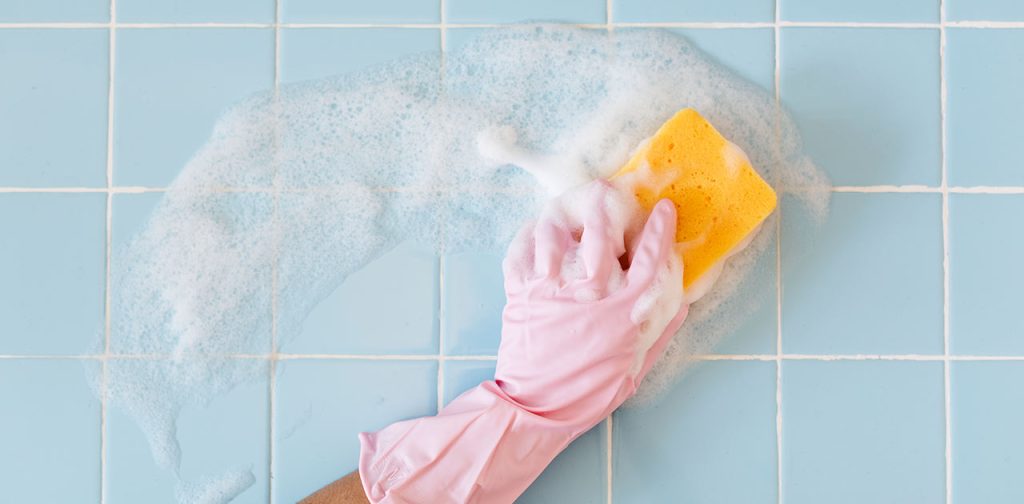
Even though grout may seem unimportant, if it is dirty, it can spoil the entire appearance of your floor. As time passes, grout between tiles becomes dirty, greasy, stained, and may even grow mould, altering the once-clean appearance to a mucky one. When grout is clean, your floor looks better, and your home is also healthier and more hygienic.
Whether you’re dealing with tough stains or want to keep your floor tiles clean-looking, this guide covers all the methods involved.
If scrubbing is not your thing, look for assistance. Let Mads Cleaning and Gardening handle the dirty work. We have experts who are skilled in thorough grout and tile cleaning for both homes and businesses. Call us now for a floor that’s sparkling and stress-free.
Why Is Grout So Hard to Keep Clean?
Most types of grout are formed from a mixture containing cement and are porous. Because of its porous nature, tiles tend to trap dirt, grease and water, especially where there is much foot traffic and they get wet from activities in places like bathrooms and kitchens.
There are two main types of grout:
- Cement-based Grout: Most common, but prone to staining and mould if left unsealed.
- Epoxy Grout: More resistant to moisture and stains, but harder to apply and more expensive.
Because grout sits lower than the surface of the tile, it’s easy for grime to settle in and hard to reach during regular cleaning. That’s what makes grout cleaning more challenging than it looks.
Essential Tools and Materials You’ll Need
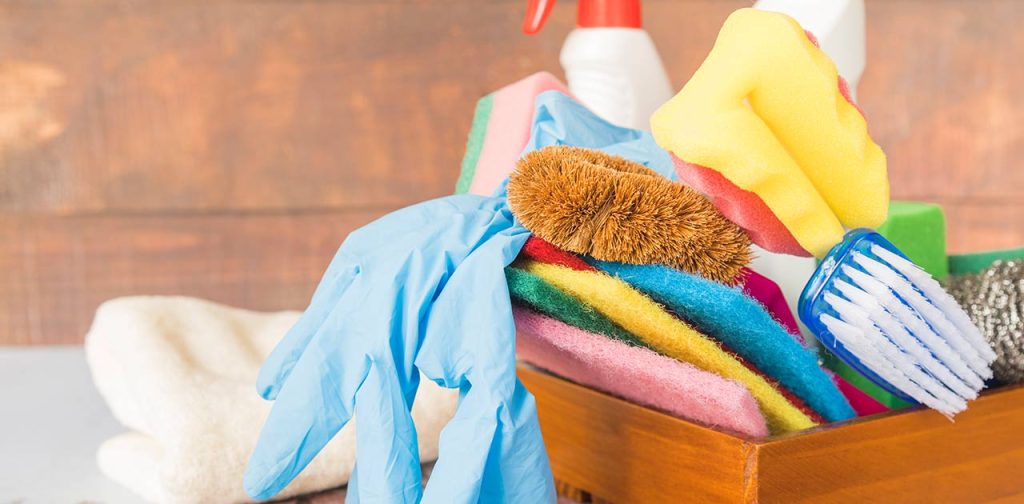
To clean grout effectively, gather the following supplies:
- Baking soda
- White vinegar (avoid on natural stone)
- Hydrogen peroxide
- Oxygen bleach or chlorine bleach
- An old toothbrush or a stiff grout brush
- Microfiber cloth
- Protective gloves
- Spray bottle
- Bucket
- Mop
- Electric cleaning brush (optional)
- Steam mop (for effortless cleaning)
These tools make finding the easiest way to clean grout possible, even without endless scrubbing.
5 Methods to Clean Grout
How to Clean Grout in Floor Tiles with Baking Soda
One of the most reliable and gentle methods follows the following steps:
- Mix 3 parts baking soda with 1 part water to create a thick paste.
- Apply the paste directly to the grout lines.
- Let it sit for 10–15 minutes.
- Scrub with a toothbrush or grout brush.
- Rinse with warm water and wipe dry with a microfiber cloth.
Baking soda is the best homemade tile grout cleaner that’s non-toxic and effective on light to moderate stains.
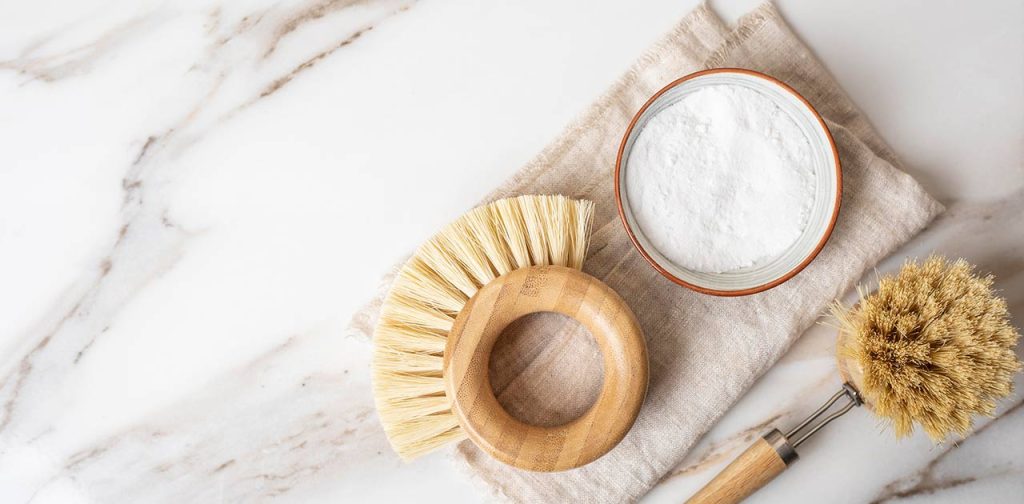
How to Clean Grout Using Vinegar and Baking Soda
This combo kicks up the cleaning power:
- Sprinkle baking soda onto the grout.
- Spray with a 50/50 mix of white vinegar and water.
- Let the fizzing reaction break down grime (about 10 minutes).
- Scrub with a brush and rinse with water.
Note: Avoid vinegar on marble, limestone, or travertine.
Hydrogen Peroxide: A Powerful Alternative
- Ideal for tougher stains or grout that has turned black:
- Apply hydrogen peroxide directly to the grout.
- For extra power, mix it with baking soda to form a paste.
- Scrub thoroughly and rinse.
Hydrogen peroxide acts as a natural bleach without the harsh fumes of chlorine, making it a safer grout cleaning option.
Using Bleach for Heavy-Duty Grout Cleaning
For deeply stained or mould-infested grout:
- Wear gloves and ensure the area is ventilated.
- Mix 1 part bleach with 4 parts water in a spray bottle.
- Spray onto grout and wait 5–10 minutes.
- Scrub with a brush, then rinse thoroughly.
This is best for tile grout that’s turned black or mouldy—but use with caution to avoid damaging tiles or harming your lungs.
How to Clean Grout Without Scrubbing (For Busy Homeowners)
Don’t have time to scrub? Try these low-effort methods:
- Steam Mop: Melts away grime with hot vapour—the best way to clean grout without scrubbing.
- Commercial spray Grout Cleaners: Just spray and let sit before rinsing.
- Vinegar Soak: Saturate grout lines and wipe clean after 15 minutes.
These methods are perfect for maintenance or quick refreshes.
How to Clean Grout in the Shower
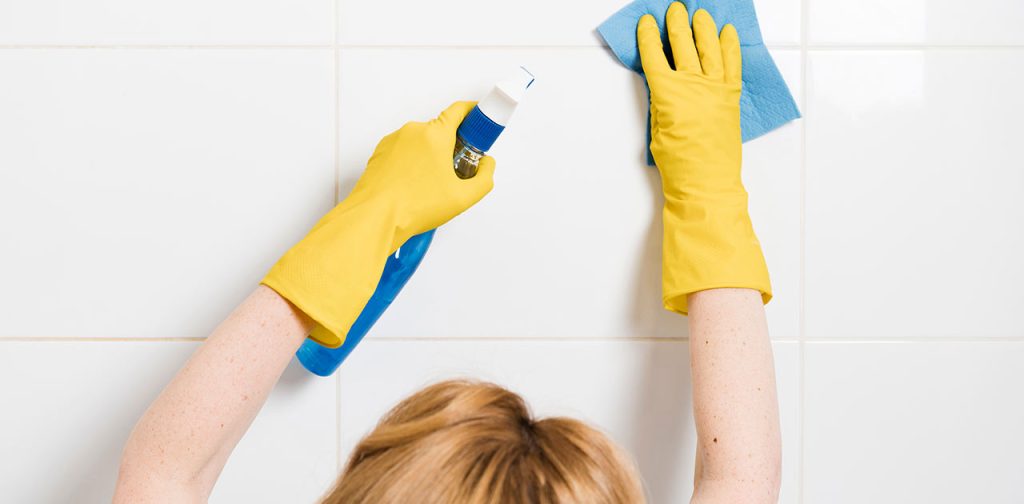
Cleaning how to clean grout in the shower presents unique challenges due to constant moisture, which fosters mould and mildew growth.
- Mould Remover: In situations of severe mould, use a spray especially made for mould (as directed by the manufacturer and with proper ventilation).
- Vinegar: Spray vinegar or mould remover on the shower grout.
- Let it sit 10 minutes, then scrub.
- Rinse thoroughly.
- Once dry, apply a grout sealer to prevent mould from returning.
- Vinegar used straight from the bottle in a very simple spray bottle is useful for daily or weekly cleaning to keep mould from forming
- Spray it on, let it stay for 10-15 minutes and then rinse it.
Tip: Reapply sealer every 6–12 months to keep grout clean and mould-free.
- Baking Soda Paste: Remember, a paste made from baking soda works well for getting rid of soap scum and mildew.
Cleaning should be followed by sealing the grout in your shower. As a result, sealing the grout forms a boundary that helps keep stains and water off, which makes future cleaning of tile grout a lot simpler.
What Is the Best Homemade Tile Grout Cleaner?
The “best” homemade tile grout cleaner depends on the severity of the stains. Here are the top contenders:
- Baking Soda Paste: Great for routine maintenance.
- Baking Soda + Vinegar: Stronger combo for stubborn grime.
- Hydrogen Peroxide + Baking Soda: Best for black grout and deep stains.
Choose based on your stain level. Always perform a patch test in an inconspicuous area before applying any solution to a large surface. The best way to clean grout often involves starting with the least abrasive method and moving to stronger solutions only if necessary. For most homes, baking soda and hydrogen peroxide win for power and safety.
How to Prevent Grout from Getting Dirty Again
Prevention is key to reducing the frequency of intensive grout cleaning. Here’s how to clean grout without damaging it and keep it cleaner longer:
- Seal the Grout: Use a product like Polar Tile & Grout Sealer every 6–12 months.
- Clean spills quickly, especially acidic or oily substances.
- Routine mopping: Use pH-neutral cleaners.
- Avoid harsh Chemicals: They can erode unsealed grout.
When to Call the Professionals
DIY not cutting it? Consider calling Mad’s Cleaning and Gardening for grout cleaning services when:
- Black mould keeps returning
- Stains won’t budge after multiple cleanings
- Large tiled areas take hours to clean
If you’re unsure how to clean grout without damaging it or your tiles, leaving it to the experts is a wise choice. Mad’s Cleaning and Gardening offers comprehensive how-to clean floor tile grout services, utilising industrial-grade equipment and eco-friendly solutions to revitalise your tiles and grout. Our expertise ensures a deep clean without compromising your surfaces, resulting in truly clean tile grout.
Final Tips and Takeaways
- Use baking soda or hydrogen peroxide for most grime.
- Try vinegar mixtures (avoid on natural stone).
- For heavy stains, bleach or a steam mop works best.
- Always rinse and dry grout after cleaning.
- Seal grout to maintain results.
Let Mads Handle the Hard Work – Get Floor Grout Professionally Cleaned
Want spotless grout without spending hours on your knees? Mads Cleaning and Gardening offers professional grout and tile cleaning, plus a full range of cleaning services in Hobart and surrounding areas including:
- End of lease cleaning
- Upholstery and Carpet cleaning
- Garden maintenance
- Pressure washing
Book your appointment today and let the pros handle it.
FAQs
How do you clean grout that has turned black?
Use hydrogen peroxide or bleach with a stiff brush for best results.
What is the best homemade tile grout cleaner?
A paste of baking soda and hydrogen peroxide is safe, effective, and easy to make.
How to clean grout without damaging it?
Avoid abrasive tools and acidic cleaners on natural stone. Use soft brushes and pH-neutral solutions.
How do you clean floor tile grout without scrubbing?
Use a steam mop or commercial grout spray cleaners for minimal effort.
How to clean grout in the shower?
Spray with vinegar or mould remover, scrub, rinse, and reseal.
Can you use vinegar on tile and grout?
Yes, but avoid natural stone tiles like marble and travertine.
How often should grout be cleaned?
Light cleaning every 1–2 weeks, deep cleaning every 1–2 months.
Is sealing grout necessary after cleaning?
Yes—sealing keeps grout protected from moisture, stains, and mould.